Hi! I’m Megan, and I’m seeking both teen and adult readers who love humor, magical realism, and a ticking time clock to act as advance reviewers for The Last Road Trip, my 80,000 word young adult novel scheduled for worldwide release on December 4, 2024 from Wild Rose Press. If you like high stakes, humor, and a touch of whimsy in your books, this one is for you!
Back cover blurb: All 16-year-old Lou wants is to fit in, get her drivers’ license, maybe kiss someone. Be normal. These goals vanish when a huge comet appears, hurtling towards Earth—it’s a planet killer. Now she’s only focused on one thing: to find and reconcile with her missing older brother, Emmett, who her parents threw out years ago for being gay. With only eight weeks left, Lou discovers a stack of hidden letters from Emmett, who now lives in Oregon. But her investigation is side-tracked when an intergalactic imp accidentally possesses her pet goose, Bazooka. Even though he can’t save humanity, Bazooka urges Lou to take him along as she plans to leave the farm. He’s obviously hiding something big, but Lou needs any help she can get. With time ticking down, Lou and Bazooka steal a scooter and desperately race from Iowa to the West Coast to find Emmett, and resolve their guilt before the world explodes.
Last year I set myself a rather exhausting target of reading 100 books. I made it, but with working and parenting and writing that was sort of a stretch. This year, I didn’t set a target–instead I just read. A lot. Without worrying about how many. I tracked everything in GoodReads, and even reviewed a good percentage of them.
Grand total for the year was 85 books, including:
5 nonfiction – of which Eve was my favorite, followed closely by Travelers to Unimaginable Lands
3 memoirs – hard to beat Crying at HMart in this category
3 poetry – Ted Hughes Tales from Ovid was the best here
34 general fiction – so many good choices, many of which are below, but one overall winner for the year from this category
10 sci fi – so many great options this year. Standouts are, of course, murderbot, which I’m a latecomer to but adore, and Cat Rambo’s newest, Devil’s Gun
15 fantasy – honestly, the whole Last Binding series by Freya Marske is top of this category for me. I adored all three of them.
12 YA – late in the year top of this category was I Hope You’re Listening, by Tom Ryan.
2 series — almost all of Murderbot, and the Last Binding series
Of these, I ended up giving a whopping 30 five stars, so either I made good choices this year, or I was unusually happy when rating things.
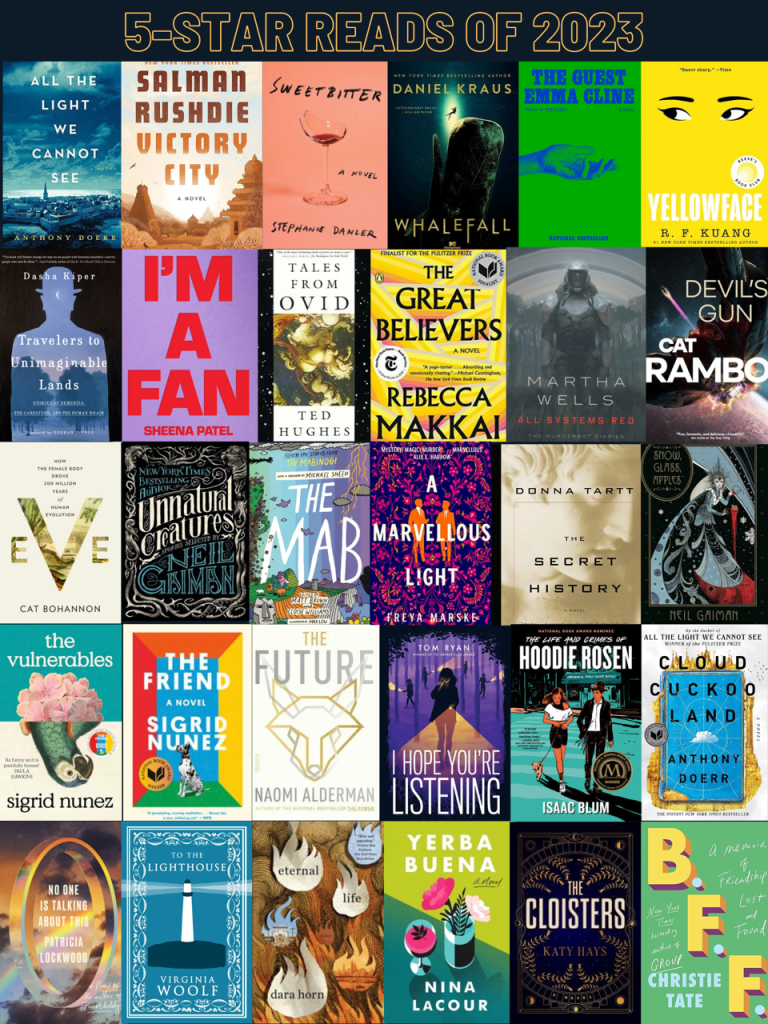
Anyway, without further ado, here are my five star reads:
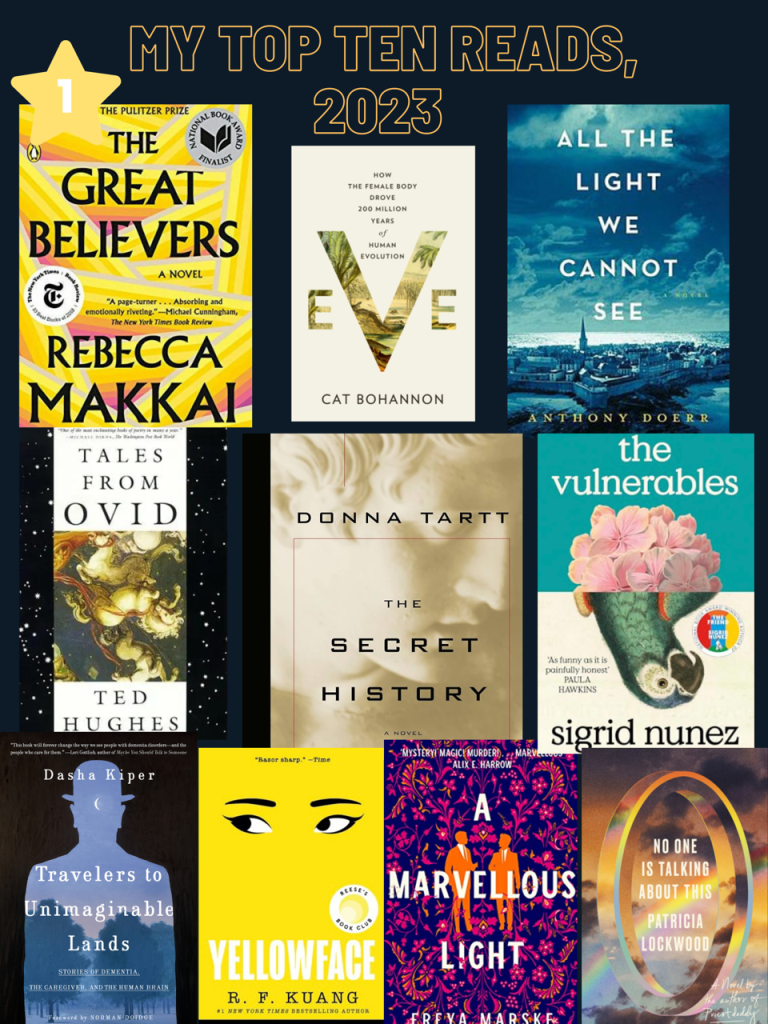
And here are my top ten:
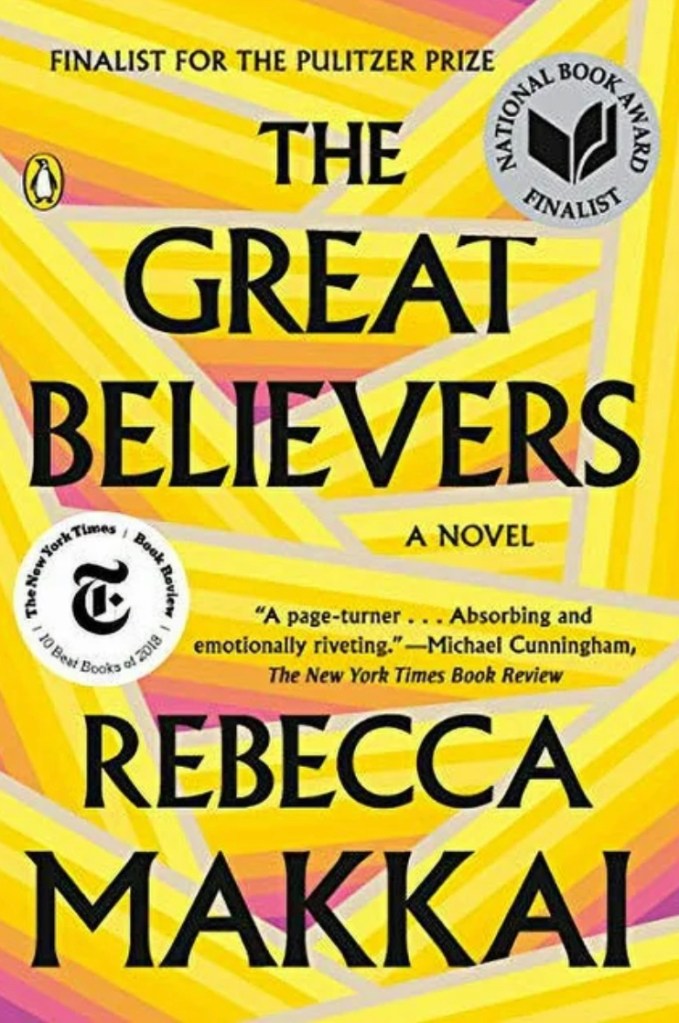
And my favorite book of the year is this:
It’s a masterpiece, one of those books that I was sad to finish because I just wanted to experience it again, fresh, unread and ahead of me. Beautiful, heartbreaking, funny, warm. If you haven’t read this, please consider doing so.
At three years and three manuscripts, I’m beginning to consider myself a veteran query-sender, but it was quite some time before I began to do live pitches. Actually, my descent into live pitching happened totally on a whim — I was at the 2022 Kauai Writer’s Conference and sitting in the back of the room as people were signing up for their Pitchalooza competition, and on a complete impulse I signed up.
Twenty or so of us stood in the front of the room, delivered our best two minute pitch, and then stepped back while the audience voted. To my surprise, I made the semifinals with four other writers. All of them, I thought, sounded a lot better than me.
We gave our pitches again, and then — to my absolute shock– I won.
Literally, I stood there with my mouth open and didn’t know what to do. My poor friend Christina who was in the audience with me was too kind to tell me what a dork I looked like, but I’m sure I did.
From there, I went on to pitch to five agents at a local conference in 2022, then to another two at a conference in September of 2023, and now today at the Seattle Writer’s Workshop virtual conference I’m pitching to four agents.
So that’s — let me count — 11 live pitches under my belt. And as much as they filled me with terror at first, I’ve come to LOVE doing them. I’ve done two-minute, five minute, and ten minute pitches. I love them all.
I’m an introvert. I have social anxiety. And yes, I love live pitching.
Here’s why:
For me, working up a great verbal pitch has a much more significant effect on clarifying my story than a written query letter does. I almost always end up taking my finished verbal pitch and rewriting my query with it because I feel like I’ve encapsulated the story so much better out loud.
It feels like such a short cut! I have gotten my fair share of requests off the query “slush pile” but there’s just something about getting to chat with an agent in person that *feels* like you have somehow “skipped the line,” so to speak.
Agents will give you feedback on your pitch (if time allows), and their follow up questions can be extremely helpful to point out things you need to do in your query and fold into future pitches.
Almost inevitably, agents are nice. It really humanizes the process of querying and is such a nice antidote to sending out your many, many written queries, at least half of which go unaswered and end up with the dreaded “closed no reply.” It’s so nice to actually connect with someone and get an invite to submit or not, right then.
A few tips for preparation for verbal pitches:
Aim to be talking for about half of the time allotted to you. If you’re doing a five minute pitch, try to get your pitch to 2:30-3:00. If you’re doing a ten minute, try to talk for 4-5 minutes. (My ten minute pitches come in at 4:30.) This leaves time for questions, back and forth, and anything unexpected that comes up (like trying to get your video turned on and finding the chat box).
Caveat: this is hard to pull off on two-minute pitches. Two minutes is really short. You’re going to need to try to leave a little time for the agent to at least (hopefully) make a request. In that case, shoot for 1-3 sentences in your pitch and leave it at that.
This isn’t a synopsis. Don’t tell them how it ends unless they ask. This should be a blurb – tell them about the characters, the emotional and story stakes, the inciting incident, and give them a sense of the voice.
Brainstorm your pitch outloud. I prepare for pitches almost entirely out loud — in fact, for a recent conference this past September, I worked out the entire pitch on the 45-minute drive to the conference site. (I did write it down when I get there.) Even if you start with writing your pitch down, a big part of your preparation process should be speaking your pitch to see how it feels. Things just sound different when they’re read aloud. You get a better sense of pacing, word choice, awkward phrasing, and tension. The process of reading a pitch aloud is as valuable, I think, as reading your novel aloud, which is always part of my editing and revision process on a book.
Make a cheatsheet. Once I know what I want to do, I make myself a cheatsheet with four sections:
A few words for each person I’m pitching to about why I wanted to pitch to them.
The intro to my manuscript – just one sentence, but this helps me not forget the essentials: genre, word count, audience, and title.
My pitch, written out in 14 point type so I can glance down easily and see it, with lots of unnecessary paragraph breaks and key words I want to make sure I hit highlighted in bold or color.
My list of comp titles with a brief sentence about why each is relevant.
Practice your setup and lighting. I spend a couple hours before setting up my desk (which involves raising my iPad to the right level so the agent isn’t looking up my nose, hooking up my ring light and testing various colors and levels of lighting, making sure there’s not laundry in the background, seeing if I need to download any tools to make the pitch link work, etc.) I also do a few quick videos of me reading parts of the pitch to see how I look and sound doing it. One thing I realized this time — due to my camera angle, if I lean back in my chair, I look really oddly proportioned. Good to know – I lean forwards on my chair through the whole pitch now and generally manage to look human. Also really hard, getting used to looking at the camera and not at where the person will be on the screen. Practice helps.
Practice a lot. i read the whole pitch, including intro and comps, over and over — sitting at the desk, walking around, etc. until I’m really familiar with it. I make notes and usually end up revising it a little. If there are words I always mess up (“interstellar billiards” is a stumbling block in the current manuscript, and yes, that’s really a thing in my book) I go over them until they come off the tongue easier. My goal is not to memorize the pitch but just to be familiar enough that I know what is coming next, which makes SUCH a difference with the last item, which is…
Try not to read your cheat sheet when you do the actual pitch. After all that practice, I do my best to abandon the cheat sheet (although I definitely keep it in front of me because I have had moments where my brain just empties out and I’ve needed it) and talk more conversationally. I mean, I’m sure every agent I talk to can tell that I’m working from a script, but I try to look into the camera 75% of the time and just talk. I speak slowly and try to pause between sentences. Sometimes I switch words around. But usually, if I’ve done the step above this enough, I can talk through it with only occasionally glances at my cheat sheet.
(Caveat – I always read the comp title bit. It’s complicated.)
So… that’s my best advice, and if you haven’t live pitched before, I suggest you look for an opportunity to try it! It’s a great skill to get comfortable with in your journey towards publication!
So let’s see. It’s been a few months since I checked in here. What have I been up to in the writing world? I’ve been up to a few things. Writing some flash fiction, one of which I’m trying to sell right now. Took part in the NYC Midnight 250-word microfic challenge and made it to round two, but no further. Wrote an essay or two recently.
But mostly, I spent the last five months writing an entirely new YA novel. I started in October, spent most of that month planning and outlining and also writing and reworking the first few chapters until I felt comfortable with the direction of the book, then I dove into Nanowrimo 2022 to write an additional 60k words, ending up with an 80k draft. Whew! Then I let it sit for the month of December, and spent the last few months revising feverishly, trading pages with a friend who’s also neck-deep in a book, and doing research.
What I noticed on this book was that I feel like I’m getting more in control of my craft with each successive manuscript I work on. I noticed it in two areas: craft, and process.
Craft-wise, I felt a lot more in control of my narrative this time; it was easier to think in scenes and character arcs and maintaining control of things like pacing and making sure each new section changed the characters and moved the plot along. Not that there weren’t some excruciating moments when I wondered what the heck I was doing–it wouldn’t be writing a novel without a few of those. But overall, I felt like I had a lot better feel for what I was doing. And I was able to keep in mind some big things I struggled with last time, in terms of emotionality and tone.
Process-wise, man, it was just nice to be doing this seriously for the second time. I knew what to expect. I knew about how long it would probably take me to produce a well-revised draft, and I knew roughly when I would be looking for betas and edits, and I set a bunch of that stuff up in advance instead of having to research it all in a rush while I was heads down in revision and then wait a long time for the revelant folks to have openings in their schedules.
This time, I knew I wanted two things:
Teen betas — and thanks to twitter, I found someone who runs an editorial company with a sideline in well-trained teen readers, and was able to book and complete two before the book went to edit. SUCH A GREAT SERVICE. I feel so much more confident about this YA book now that it’s been vetted by two fourteen year olds (both of whom loved it, btw).
To not rush to query; I want to put off queries until at least June. This is always hard for me because I get excited about my story and want to send it out much too early, but I learned the last time what a mistake this is. Instead, this time, I was determined to “dote on the book,” as Josh Mohr put it, and I set up some scheduled items to make it impossible for me to jump the gun. Betas in February. A six week edit running through most of March and April, that will then result in at least another month’s work for me.
By summer, if it’s finished and I’m feeling good, I’m going to let myself go wild with sending it out to the world. But not one second before. No. Not happening. I already feel the urge to do so, but at least this time I have a bit of self control.
Because here’s the thing–I think this book is really, really good. Much better than the last one. I think this might be the one that gets agented. Responses to everything from betas to paid first 50 pgs reads on Reedsy and Manuscript Academy are immensely positive. I think it could happen. And I’m not going to shoot myself in the foot by rushing the process.
It’s out to edit right now and I’m trying to leave the file completely alone, work on cultivating my patience, and write other things. All of which is hard because when I get absorbed in a work, I get seriously single-minded. But I’m trying.
Only four more weeks until the book comes back! Wish me luck with continued self control.
This year, I made two rash decisions in early January:
I was going to read 100 books before the end of the year.
I was going to write a page in a notebook about each book, with a short summary, a rating from 1-5 stars, the name of the book/author/publisher/agent, and the first line.
I’m currently on book #99, and I still have almost a whole two weeks, so I think I’m going to finish on goal number one, and as any number of unfortunate friends can tell you, I’ve been talking about my book notebook (which I uncreatively call “the book book”) at parties all year and dragging it out from time to time, so both of these are mostly in the bag.
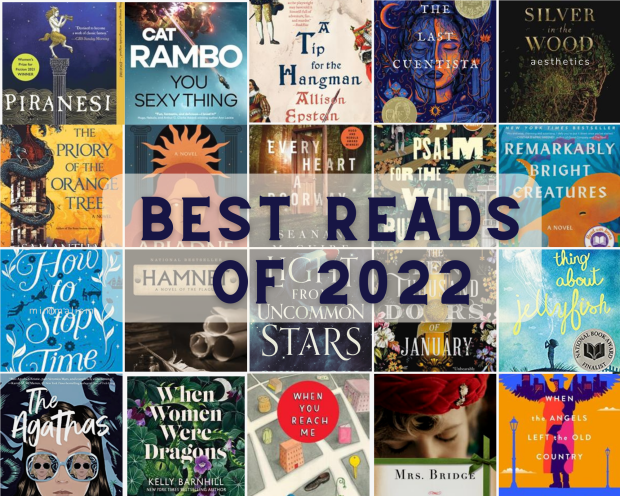
What I’ve been doing today, though, is looking through the listings and seeing what books I liked the most this year. And it turns out, I have a nice even 20 that I gave 5 stars to. Here’s a little info on all of them.
Surprises from compiling this, for me:
It’s very SFF heavy but I’m actually incredibly picky about that genre and probably read a lot more YA over the course of the year, so it surprised me that so many ended up in the top 20.
I was surprised that there were only six from the YA genre, because as an aspiring YA author, I read a lot of it. Reality is, though, that I had a WHOLE LOT of YA books that were four or four-and-a-half stars, and I just don’t have time to list them all.
I don’t read a lot of novellas, generally, and yet I have three in the top 20 list. I think these are the only three novellas I read all year. I should’ve read more, that would’ve made getting to 100 a lot easier and faster! Maybe next year.
Without Further Ado, Here Are the Top 20 – in the order in which I read them.
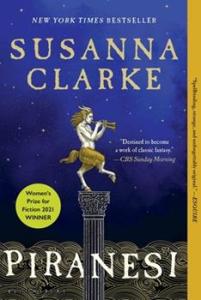
Piranesi, Susanna Clark, SFF
This was the first book I read this year, on New Year’s Day, and it set a really high bar. Tells of a man trapped in an abandoned world, living inside what seems to be an ancient museum where mysterious tides flood various rooms and strange voices sometimes echo through the halls.
1st line: “When the moon rose in the Third Northern Hall I went to the Ninth Vestibule to witness the joining of three tides.”
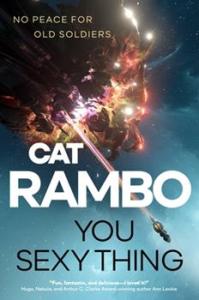
You Sexy Thing, Cat Rambo – adult, SFF
This was just so much fun. Love the idea of a team of ex-soldiers running a restaurant in space and then getting catapulted back into the action. A great cast, and it gave me incredible emotional attachment to a sentient ship.
1st line: “The entrance chimes buzzed. Someone outside in the public hallway of the space station was paging admittance.”
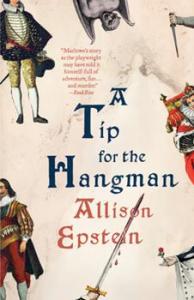
A Tip for the Hangman, Allison Epstein, adult historical
About the life, times, and loves of Kit Marlowe. It made me cackle on page one and kept it up the whole way through. Loved Walsingham.
1st line: “Without tobacco, Kit knew, he would never survive Cambridge.”
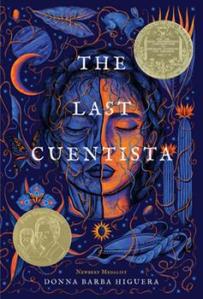
The Last Cuentista, Donna Higuera, YA SFF
Newbery Medal Winner this year – amazingly written, fast moving story about a girl leaving Earth with her parents before a comet destroys the planet, and waking up centuries later in a very different society. All about the power of stories to shape our lives. Read it if you haven’t.
1st line: “Lila tosses another pinon log on the fire. “
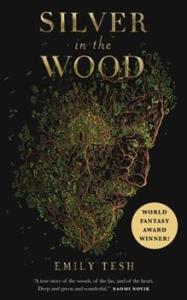
Silver in the Wood, Emily Tesh, Adult SFF
A brilliant novella, so original it made me feel like a different species. About the green man of the woods and a human man who loves him. I’d been contemplating prior to this whether there were any books in which dryads feature prominently and here I found one!
1st line: “It was the middle of an autumn downpour when Tobias first met Henry Silver.”
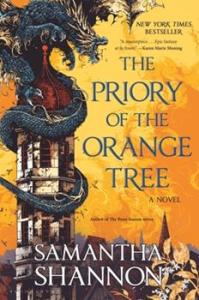
The Priory of the Orange Tree, Samantha Shannon, Adult SFF
A “feminist retelling of St. George and the dragon” – so entirely engrossing, such in depth world building. Long and worth every second.
1st line: “The stranger came out of the sea like a water ghost, barefoot and wearing the fears of his journey.”
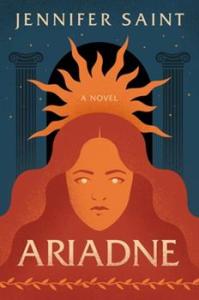
Ariadne, Jennifer Saint, adult fiction
Retelling of the myth of Theseus (who is a complete ass) and Ariadne (his abandoned wife) from her viewpoint, vivid and intense and makes some very interesting points about how historically, women pay the price for the god’s tempers.
1st line: “I am Ariadne, princes of Crete, although my story takes us a long way from the rocky shores of my home.”
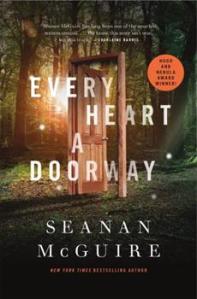
Every Heart a Doorway, Seanan McGuire, Adult SFF
A brilliant, weird, and moving tale about kids who step through doorways to other worlds and how they cope when they find themselves kicked out and back in the ordinary world.
1st line: “The girls were never present for the entrance interviews.”
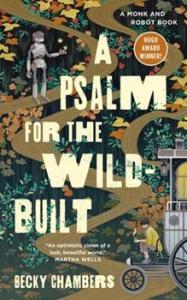
A Psalm for the WIld Built, Becky Chambers, Adult SFF
Completely beautiful little novela about a monk named Sibling Dex who sets off to the wilderness and meets the first robot anyone has seen in generations, a being named Mosscap who wants to learn about humans. Felt almost like a fable. The second book was excellent too but the first one is the jewel.
1st line: “If you ask six different monks the question of which godly domain robot consciousness belongs to, you’ll get seven different answers.”
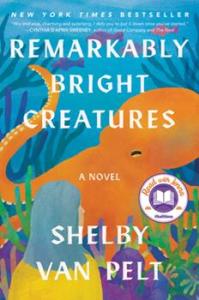
Remarkably Bright Creatures, Shelby Van Pelt, Adult Fiction
One of my top three for the year, I think. The story of 80yo Vela and her relationship with a captive octopus named Marcellus at the aquarium where she is the night shift cleaning lady. I love that it revolves around two nontraditional friendships — an elderly woman and a young man, and the same woman and a cephalopod. Wonderful voice for Marcellus.
1st line: “Darkness suits me.”
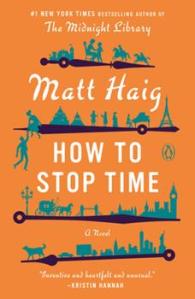
How to Stop Time, Matt Haig, Adult SFF
Matt Haig is always a favorite of mine. Tells about people who age at 1:15 the normal rate and the things they must sacrifice to remain undetected. The main character struggles against a group that makes sure all of the long-lived players are keeping to the rules, the primary one of which is “never fall in love.”
1st line: “I often think of what Hendrich said to me, over a century ago, in his New York apartment.”
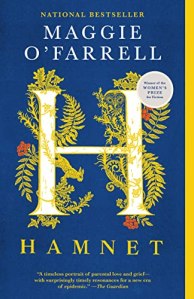
Hamnet, Maggie O’Farrell
The imagined story of William and Anne Shakespeare’s courtship and marriage and the loss of their son Hamnet to the plague. Astonishing. Gorgeous everyday magical realism in the character of Anne. What I wrote in the Book Book: “I’ve never seen writing like this before. Every thread of a human heart laid bare on a page and made breathable.” GORGEOUS depiction of the bond between twins and the sacrifices siblings will make for each other. Caveat: I cried a lot in this book. But it’s worth it.
I think this is my number one from the list for the entire year.
1st line: “A boy is coming down a flight of stairs.”
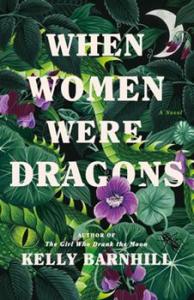
When Women Were Dragons, Kelly Barnhill, Adult SFF
In 1950s US, 600,000 women spontaneously become dragons and fly away, abandoning their families. In response, the government leads an effort to make everyone forget. This becomes impossible when the dragon women begin to return. Gorgeous and heartsore book about family and what it means.
1st line: “Greetings Mother—I do not have much time.”
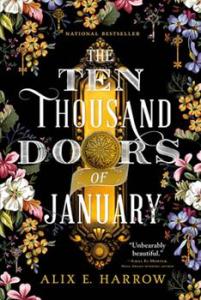
The Ten Thousand Doors of January, Alix Harrow, SFF
Dual POV novel about the doors between worlds and the power to open and close them as seen by a daughter and her mother, who disappeared many decades earlier.
1st line: “When I was seven, I found a door.”
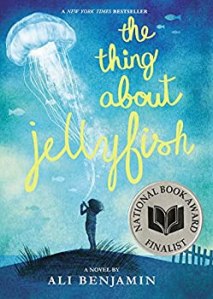
The Thing About Jellyfish, Ali Benjamin, YA/middle
I’m not sure if this is YA or middle grade, or perhaps just straddles the border between the two, but this is a very close runner up for the top three list for the year. I read it after an agent at the PNWA conference recommended it as a nearly perfect YA book, and she was right on the money. Deals with Suzy, a 7th grader trying to mourn the loss of her best friend while coming to terms with the worst thing she’s ever done in her life, and the scientific research she uses to distract herself from both.
1st line:””A jellyfish, if you watch it long enough, begins to look like a heart beating.”
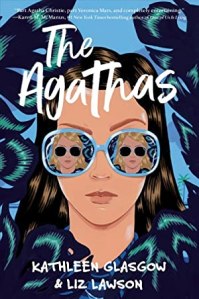
The Agathas, Kathleen Glasgow, YA mystery
Great teen mystery with a believable and suprising antagonist who I only figured out a few pages before the big reveal (which is hard to do to me; I’m good at book sleuthing). Wrapped through the background is a deep look at social strata in a rich California coastal town and the uncomfortable friendships that can develop between outcasts from different groups. My teen is getting this for Christmas. Shhhh, don’t tell her.
1st line: “Alice Ogilvie is crazy.”
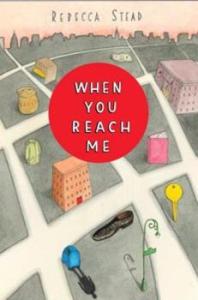
When You Reach Me, Rebecca Stead, middle grade
An older book and the only middle grade on the list, former Newbery Medal winner, and a complete love letter to Madeleine L’Engle. 12 yo Miranda, who carries A Wrinkle in Time everywhere she goes, is trying to solve the mystery of who keeps leaving her strange letters in unexpected places and which of her friends’ life these notes are telling her needs to be saved.
1st line: “So mom got the postcard today.”
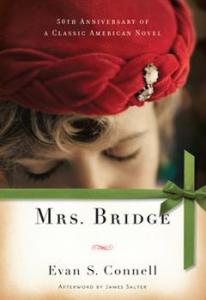
Mrs. Bridge, Evan Connell, Adult fiction
This is an old one; read it after a presenter in Kauai said it was her favorite novel of all time. I sat down to start it in the morning and didn’t move until I finished it several hours later. Quiet, deep story of a woman’s marriage and family life, told entirely in vignettes, satire without mockery, so very good.
1st line: “Her first name was India—she was never able to get used to it.”
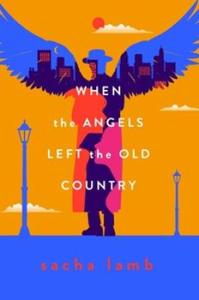
When The Angels Left The Old Country, Sacha Lamb, YA SFF
Another top three for the year. Perfect book about an angel and a demon who leave Poland to try to rescue a young girl from their shtetl who has disappeared into early 20th century NYC. I’m not sure I will ever forget Little Ash and Uriel. What I particularly loved, aside from just the great story, is how Sacha takes the concept of angels and demons and manages to characterize them in totally new ways from everything else I’ve read involving the same creatures, making them strange, odd, and completely Other, and yet entirely loveable at the same time.
1st line: “In the back corner of the little synagogue in the shtetl that was so small and out of the way it was only called Shtetl, there was a table where an angel and a demon had been studying the Talmud together for some two hundred years.”
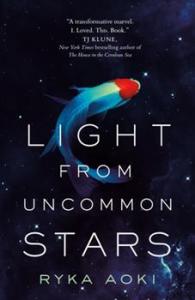
The Light From Uncommon Stars, Ryka Aoki, Adult SFF
It took me a few chapters to fall in love with this one but I’m so glad I stuck with it. The story of Shizuka Satomi, who made a deal with the devil to save her soul by delivering five violinists’ souls, and her student Katrina Nguyen, who changes her mind about sending off the fifth and final soul. Also there are aliens, hiding from a galactic empire by running a donut shop. Yes, really. It’s weird and wonderful.
I just ran across this excellent article by Allegra Hyde about what makes a compelling first line – what she calls “love at first line” and compares to the thrill and kismet of meeting a special someone’s eyes across a crowded room. It’s brilliant. She discusses the delicate interplay between clarity and curiosity in the first sentence of a work
A bit of an excerpt:
“The responses to my Twitter inquiry crystallized a nascent theory I’d been formulating about what made certain first lines memorable and propulsive—because, although the sentences came in all varieties, a pattern emerged. Nearly all the favorite first lines gave readers an elegantly balanced dose of clarity and curiosity. Or to put this another way: seductive first sentences ground a reader in a situation, while also prompting a question in the reader’s mind that propels them forward in the text.”
“What Makes a Great Opening Line”, Allegra Hyde, 3/9/22
Anyway, go read it from the link above. Highly worth it.
Here are a few first lines I’m currently playing with in my own works:.
I’m playing with these first two, trying to decide which to use in the opening pages of a you g adult novel. I love the first version, but the second leads into the action better and might give more of a sense of character.:
“Kayley died three times before it finally took.
Kayley put on her combat boots, her fiercest scowl, and a frightening amount of eyeliner before she headed out.
This one is from a novel I wrote a while ago and shelved temporarily, but I’m still trying to find the right revision path for it:
“Ezra Quill knew for a fact that magic was balderdash, which is why it was hard to explain why he was leaning over a birdbath in the light of the moon, letting his best friend give him a lesson in scrying.”
From a story I’m currently shopping around called “Rib Night”:
Lenka Talovic, chief necromancer of the Imperial Court, had one problem on her mind as she surveyed the four dead foot soldiers laid on her table—how to raise them and still make it back to the hall in time for dinner.
And this is brand new, for a short story idea that occurred to me today.
“Forget the seers; seers are a dime a dozen. What I want to talk about is much more rare — the speakers: those who are born with the words and power of dead languages on their tongues.“
Writing a killer first line is something many writers struggle with. If you’re at all like me, the further you got along in your writing journey, the more you’ve realized how critical that very first sentence is. When I go book shopping now, I immediately flip open any book whose back cover blurb interests me and read the first sentence of the book, and I can almost always tell immediately if I’m going to like it or not. I think I base my buying decisions almost entirely on that — unless there’s some other factor at play, like I’m looking for comps, or reading something for research, or have read enough reviews to know I want to buy the book, regardless of how the first line goes.
Scary, right? So much power in one little sentence.
So, one great resource you should all be aware of — if you aren’t already following her, please check out Becca Faith Hayman on Instagram, otherwise known as the First Line Frenzy lady. She’s amazing. Every day she posts a submitted first line, shows us what’s good or bad about it, and takes a crack at improving it, and every few weeks she hosts a podcast where she and guest editors go through a pile of first lines and offer their critique. I’ve learned SO much from her.
What I’ve really learned boils down to three main points:
Great first lines give you an immediate sense of character.
Great first lines drop you into either compelling action or compelling atmosphere, through the lense of the character in question.
Great first lines never, ever start with the character waking up, a discussion of the weather, or (usually) with dialogue.
Yes there are ten million exceptions out there to each of these — but in general, especially for less experienced writers, I think these are the basics of where to start.
How many of these did I break in my earlier projects? All of them, over and over and over. How much better have I gotten at it? A fair bit, I think.
Recently, I’ve also started a small notebook where I track the first line of every novel I read. I’ve got 25 books in there so far, some that I loved, some that I didn’t. I look forward to flipping back through them later and reviewing the entry point for each, and seeing what I can learn from the entire collection.
What are your thoughts on first lines? Any good tips or tricks?
 Megan Zalkan Writes